Water stains on drywall can be an unsightly reminder of a leak, but they don't have to be permanent. Understanding how to effectively remove these stains can restore the appearance of your walls and prevent further damage. This guide will walk you through the process of removing water stains from drywall after a leak, with tips specific to homeowners in Glendale, AZ.
Understanding Water Stains on Drywall
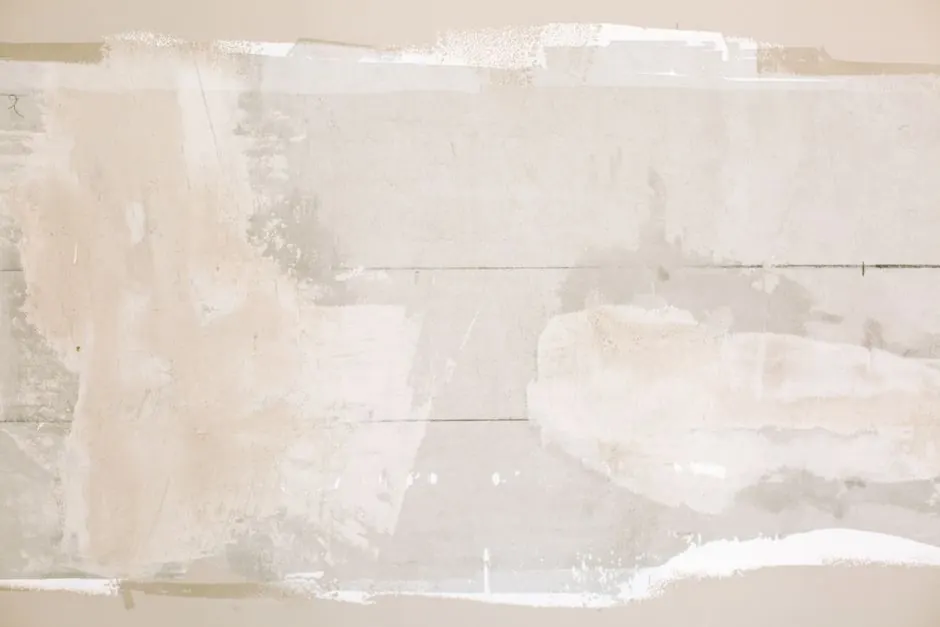
Water stains typically appear as discolored patches on drywall, often yellow or brown. They are caused by moisture seeping through the drywall, usually due to leaks from plumbing, roofs, or condensation. In Glendale, where summer storms can lead to unexpected leaks, it's crucial to address these stains promptly to avoid mold growth and structural damage.
Assessing the Damage
Before beginning the removal process, assess the extent of the damage. Check for the following:
- Size of the stain
- Texture of the drywall (soft or crumbling)
- Presence of mold or mildew
- Source of the leak
If the drywall feels soft or crumbles upon touch, you may need to replace that section entirely. For minor stains, you can proceed with the cleaning process.
Materials Needed for Removal
Gather the following materials before starting:
- Bucket
- Warm water
- White vinegar or bleach
- Sponge or cloth
- Paint (if necessary)
- Primer (optional)
- Drop cloth or plastic sheeting
These items will help you effectively clean and restore your drywall.
Step-by-Step Guide to Remove Water Stains
Follow these steps to remove water stains from drywall:
- Prepare the Area: Lay down drop cloths to protect your floors and furniture.
- Create a Cleaning Solution: Mix one part white vinegar or bleach with three parts warm water in a bucket.
- Apply the Solution: Use a sponge or cloth to apply the solution to the stained area. Gently scrub the stain, starting from the edges and moving inward.
- Rinse: After scrubbing, rinse the area with clean water to remove any residue from the cleaning solution.
- Dry Thoroughly: Allow the area to dry completely. Use fans or a dehumidifier if necessary, especially in humid Glendale weather.
- Repaint if Necessary: If the stain persists, you may need to prime and repaint the area to restore its appearance.
Common Mistakes to Avoid
When removing water stains, be cautious of these common mistakes:
- Using too much water, which can worsen the damage.
- Not addressing the source of the leak before cleaning.
- Skipping the drying process, which can lead to mold growth.
- Using harsh chemicals that can damage the drywall.
When to Call a Professional
If you find extensive damage, persistent mold, or if the source of the leak is unclear, it may be time to call a professional. At Aquorix Restoration Glendale, we specialize in Emergency Water Damage Restoration in glendale az and can help assess and repair any damage effectively. Our team is trained to handle complex situations that may arise from water damage.
Frequently Asked Questions
How long does it take to remove water stains from drywall?
Typically, the cleaning process can take a few hours, but drying may take longer depending on humidity levels and ventilation.
Can I use regular paint to cover water stains?
It's best to use a stain-blocking primer before painting to prevent the stain from bleeding through.
Is it safe to use bleach on drywall?
While bleach can be effective, it's important to dilute it properly and ensure the area is well-ventilated to avoid health risks.
What if the stain keeps coming back?
If the stain returns, it likely indicates an ongoing leak or moisture issue that needs to be addressed.
How can I prevent future water stains?
Regular inspections of plumbing and roofing, especially after storms, can help identify potential leaks before they cause damage.
Get Help with Water Damage Restoration in Glendale AZ
If you're dealing with water stains or any form of water damage, it's essential to act quickly. Contact us at Aquorix Restoration Glendale for expert assistance in restoring your home. We're here to help you with all your water damage needs.