Water damage can be a homeowner's worst nightmare, leading to costly repairs and health hazards. Knowing how to inspect for water damage is crucial for Glendale homeowners to protect their properties. In this guide, we will cover essential tips and techniques for identifying water damage, common signs to look for, and when to call in professionals.
Understanding Water Damage
Water damage occurs when excess water infiltrates a structure, leading to detrimental effects on materials and systems. In Glendale, the hot climate can lead to unexpected plumbing failures, roof leaks, and even flooding during monsoon season. Understanding the causes of water damage helps you take proactive measures to prevent it.
Common Signs of Water Damage
Being able to recognize the signs of water damage early can save you from expensive repairs. Here are some common indicators:
- Discoloration: Look for yellow or brown stains on ceilings, walls, or floors.
- Mold Growth: Mold can develop in as little as 24-48 hours after water exposure.
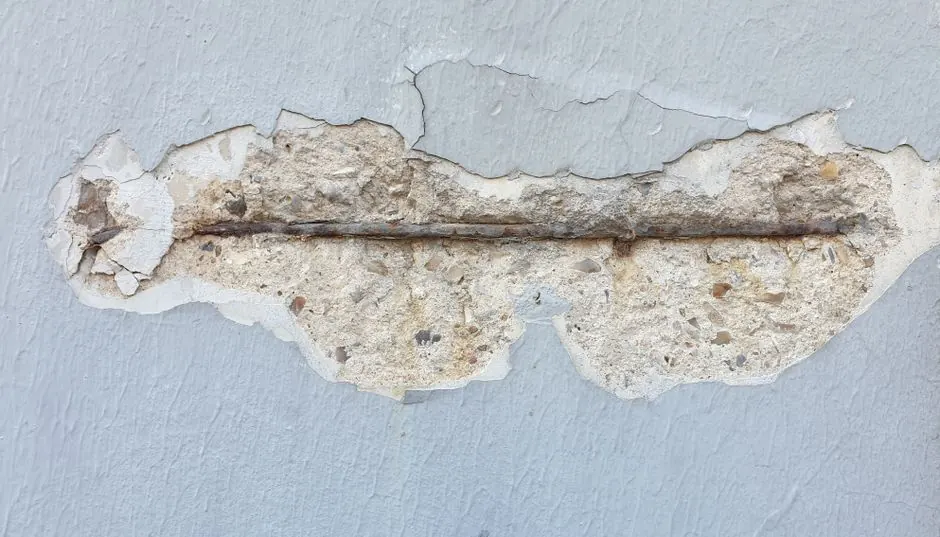
- Peeling Paint or Wallpaper: This can indicate moisture trapped underneath.
- Musty Odors: A damp smell can signal hidden water issues.
- Warped Flooring: Buckling or sagging floors may be a sign of water underneath.
If you notice any of these signs, it's essential to conduct a thorough inspection.
How to Inspect for Water Damage
Inspecting for water damage involves a systematic approach. Here's how to do it effectively:
- Start from the Top: Check your roof for missing shingles or signs of leaks. Inspect the attic for water stains or mold.
- Examine Walls and Ceilings: Look for discoloration or peeling paint. Use a moisture meter if available.
- Check Windows and Doors: Ensure seals are intact and look for condensation buildup.
- Inspect the Basement: This area is prone to flooding. Look for dampness or water stains on walls.
- Review Plumbing Fixtures: Check under sinks and around toilets for leaks or water pooling.
Regular inspections can help you catch potential problems early.
Tools for Water Damage Inspection
Having the right tools can make your inspection process more efficient. Consider using:
- Moisture Meter: This device helps measure the moisture content in walls and floors.
- Infrared Camera: Useful for detecting hidden leaks behind walls.
- Flashlight: Essential for inspecting dark areas like attics and basements.
- Protective Gear: Gloves and masks are important when inspecting areas with mold or sewage.
Common Mistakes to Avoid
When inspecting for water damage, avoid these common pitfalls:
- Ignoring Small Leaks: Small leaks can lead to significant damage over time.
- Neglecting Regular Inspections: Make it a habit to inspect your home regularly, especially after heavy rains.
- Overlooking Attics and Basements: These areas are often forgotten but are critical for detecting water issues.
When to Call a Professional
If you suspect extensive water damage, it's advisable to call a professional. Services like Water Damage Inspection in Glendale AZ can help identify hidden issues that may not be visible to the untrained eye. Professionals have the tools and expertise to assess the situation accurately and recommend the best course of action.
Frequently Asked Questions
What should I do if I find water damage?
Immediately address any visible leaks and remove any standing water. Contact a professional for a thorough inspection and remediation.
How can I prevent water damage in my home?
Regular maintenance of your plumbing, roof, and gutters can significantly reduce the risk of water damage. Ensure proper drainage around your home as well.
Is mold always present with water damage?
No, but mold can develop quickly after water exposure. It's crucial to address water issues promptly to prevent mold growth.
How often should I inspect my home for water damage?
It's recommended to inspect your home at least twice a year, and more frequently after heavy rains or storms.
Can I handle water damage cleanup myself?
Minor water issues can sometimes be managed by homeowners, but extensive damage requires professional help to ensure safety and thorough remediation.
Get Help with Water Damage Restoration in Glendale AZ
If you're facing water damage issues, don't hesitate to seek help. Aquorix Restoration Glendale is ready to assist you with expert services tailored to your needs. Contact us today at +16232698533 for immediate assistance.